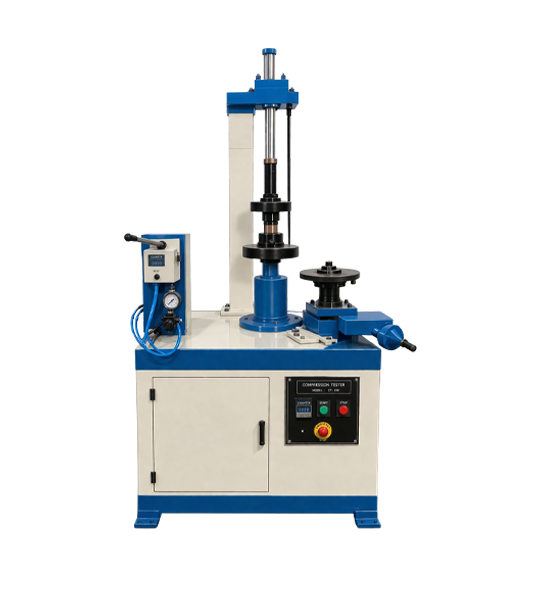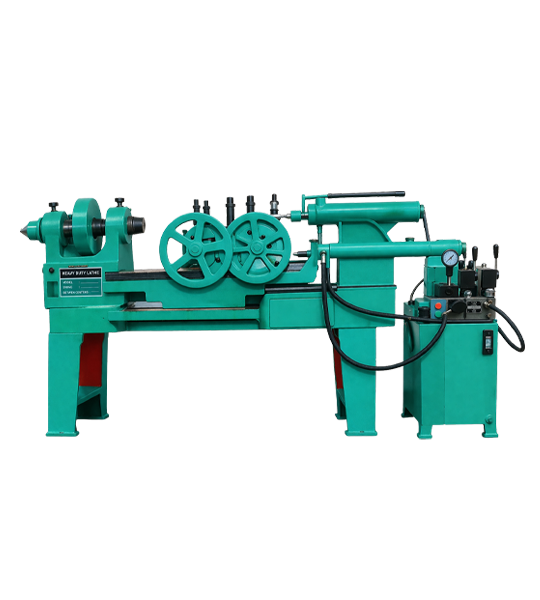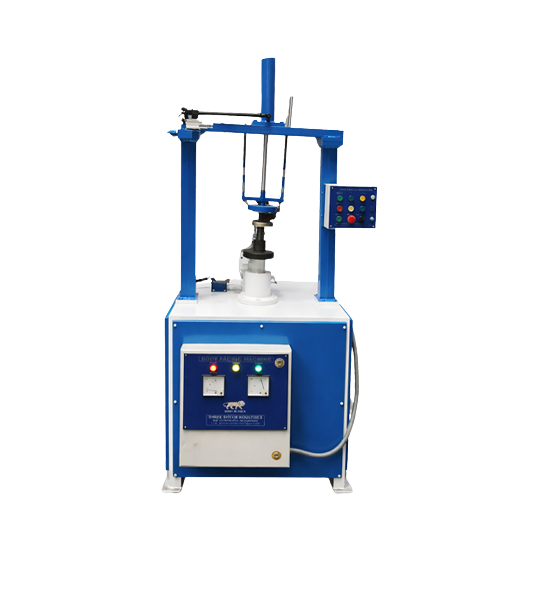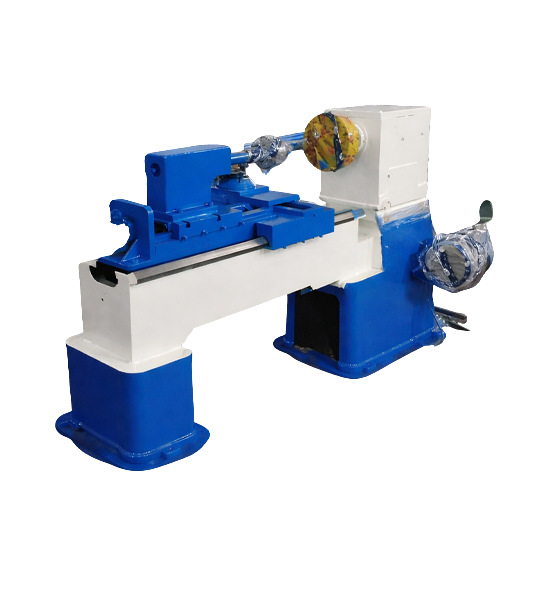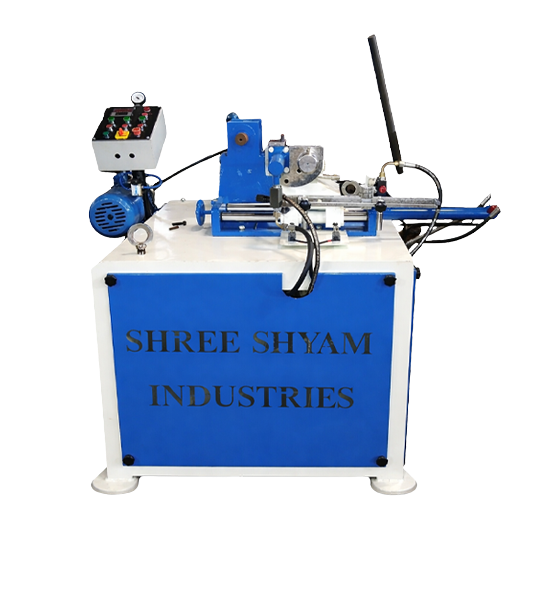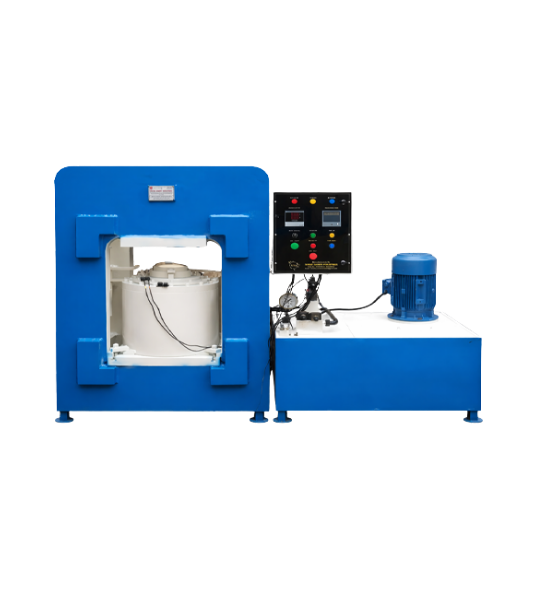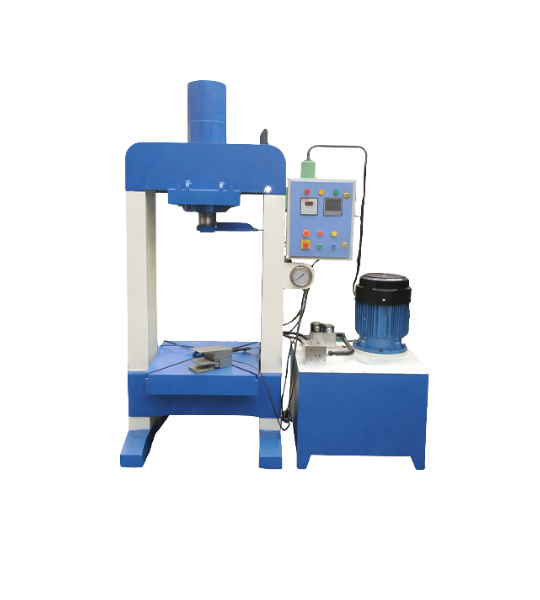
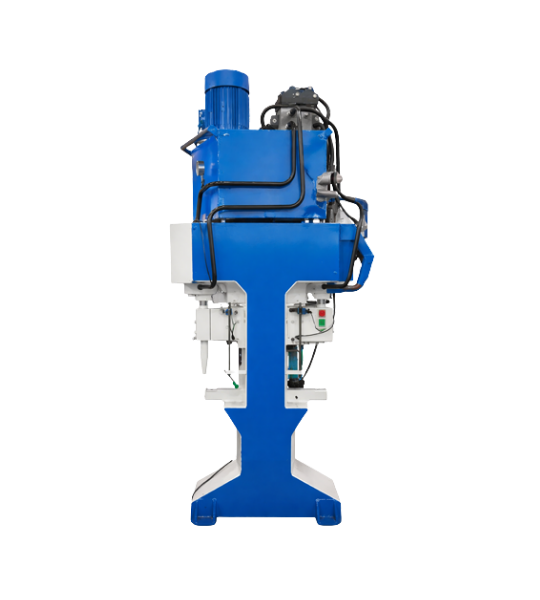
Reviting Machine Double Action
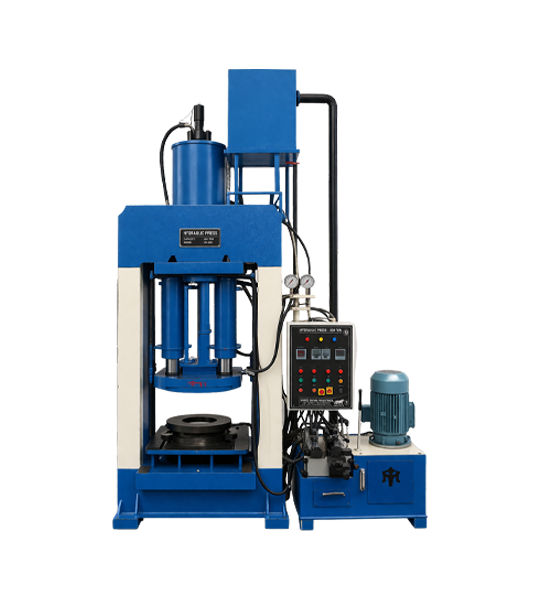
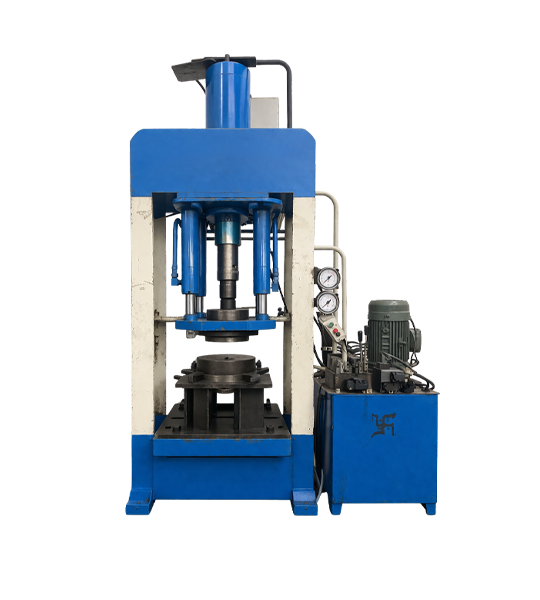
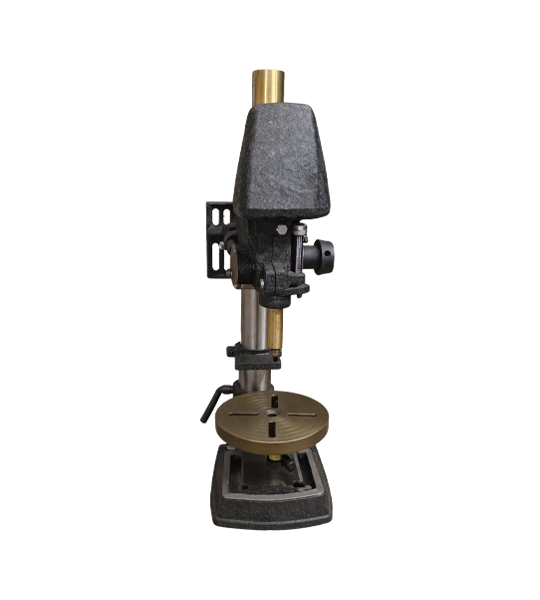
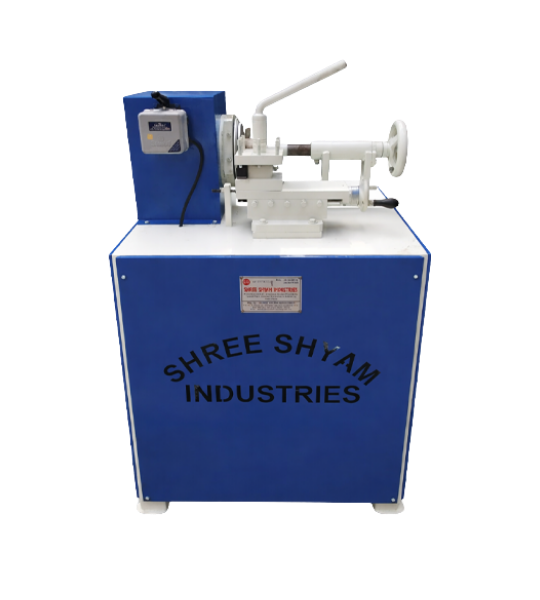
A Double Action Riveting Machine is a high-performance industrial machine designed for efficient and precise riveting operations in manufacturing and assembly processes. Unlike single-action machines, this model performs both forward and return actions with controlled force, ensuring stronger, more uniform rivet joints and improved productivity.
Key Features
- Double action mechanism for precise and strong riveting
- Adjustable pressure and stroke control
- High-speed operation for increased productivity
- Durable and heavy-duty construction
- Low maintenance and easy operation
The double action system enables the machine to apply pressure in two stages—first to position and hold the rivet, and second to complete the riveting process. This ensures better control, accuracy, and consistency in forming the rivet head, resulting in high-quality and reliable joints.
The mechanism reduces manual effort and enhances efficiency, making it suitable for both mass production and precision assembly work.
Uses of Machine
- Used for joining metal sheets and components using rivets
- Ensures strong and permanent fastening in assemblies
- Used in automobile parts manufacturing
- Suitable for electrical and electronic component assembly
- Used in luggage, bags, and leather product manufacturing
Product Technical Overview
A double action riveting machine uses a two-stage controlled stroke mechanism to apply precise force for accurate positioning and secure fastening of rivets in industrial assembly applications.
| Machine Type | Double Action Riveting Machine |
|---|---|
| Operation Type | Pneumatic / Hydraulic / Mechanical |
| Riveting Capacity | Up to 6 – 12 mm (depends on model & material) |
| Stroke Length | 50 – 150 mm |
| Working Pressure | 1 – 3 seconds per rivet |
|---|---|
| Cycle Time | 0.5 – 2 HP |
| Motor Power | 220V / 380V / 415V |
| Voltage | Manual / Foot Operated / Semi-Automatic |